The 661 area code is a major telephone codes in California, serving a wide region that includes a mix of urban centres, deserts, and agricultural communities. If you’ve received a call from a 661 number or are planning to get one, this guide covers everything you need to know.
What Is the 661 Area Code?
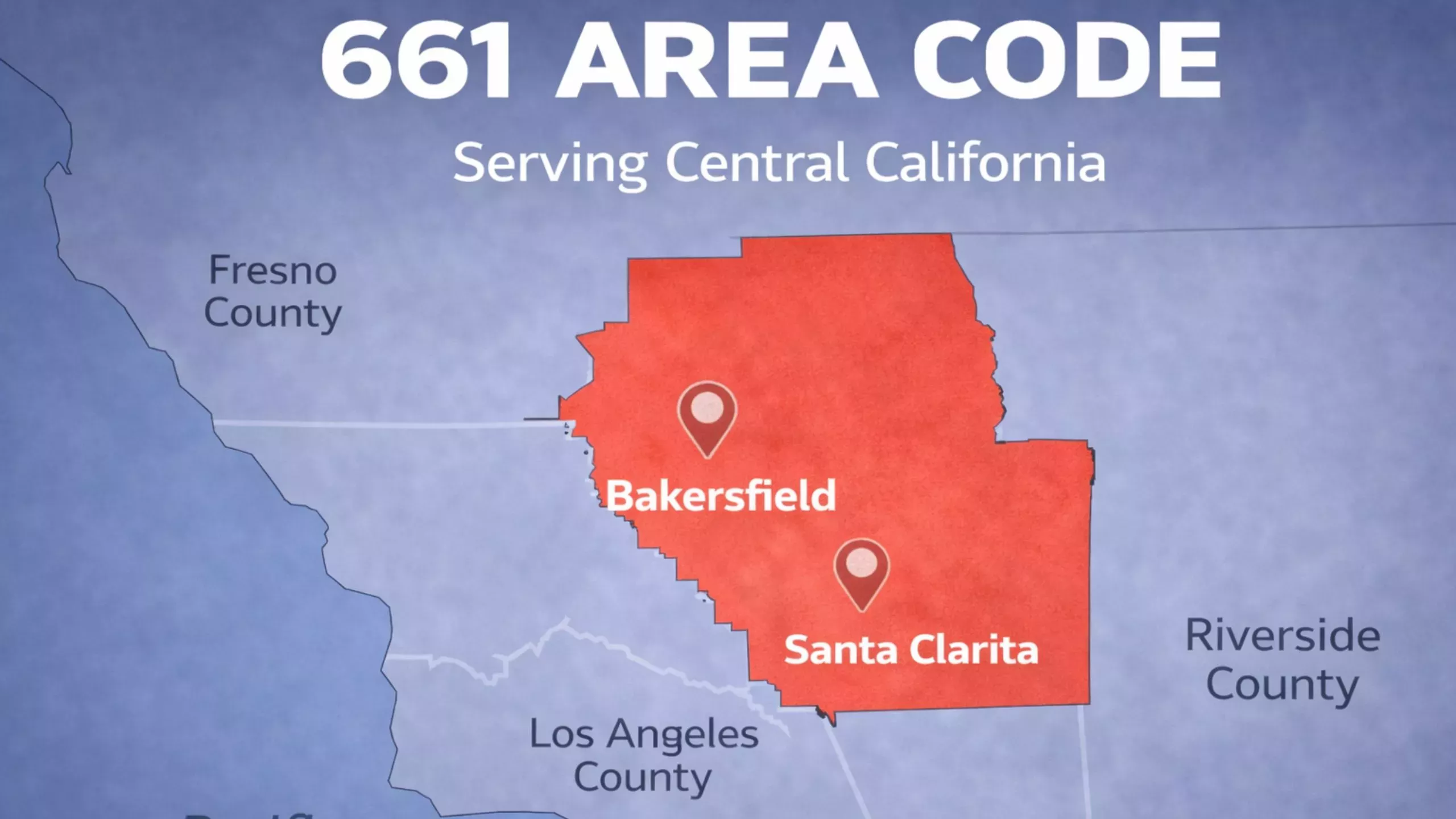
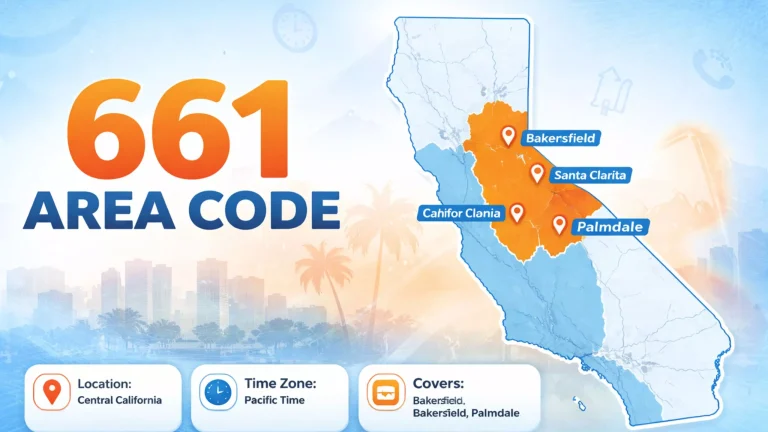
The area code 661 in the North American Numbering Plan (NANP) assigned to the U.S. state of California. It covers the southern part of the San Joaquin Valley and the far northern part of the Los Angeles metropolitan area, with the largest cities being Bakersfield, Santa Clarita, Palmdale, and Lancaster.
Where Is the 661 Area Code Located?
The location of 661 area code in California, primarily covering parts of southern and central California. It includes areas north of Los Angeles and stretches into the Central Valley.
Major Cities in the 661 Area Code
Some of the major cities covered include:
These cities make the area code 661 location of a key communication hub for both residential and business users.
History and Origin
The story of the 661 area code in california began with Central California’s rapid population growth. The area code officially came into service on February 13, 1999. It became the 250th area code in the United States. In that same year, authorities introduced 23 new area codes, and 661 became the 24th created in California. Officials created the area code to reduce the heavy demand on the 805 area code. Before 661 existed, people in cities like Bakersfield, Lancaster, and Palmdale all used the 805 code. As these areas grew quickly, the need for more phone numbers increased. Because of this growth, officials introduced a new code, making 661 a necessary solution rather than just an option.
Economy and Key Industries
The economy of the area code 661 california is diverse and closely tied to the region’s natural resources and strategic geography in central California. This area is home to businesses in various sectors, including agriculture, energy, healthcare, and technology. The energy sector, particularly oil production, plays a significant role, as does agriculture driven by the fertile lands of Kern County.
Time Zone
The 661 area code location follows the Pacific Time Zone (PT).
This aligns it with major cities like Los Angeles and San Francisco.
How to Dial a 661 Area Code Number
Dialling a number in the 661 area code california is straightforward for both domestic and international callers. All calls within the area code require 10-digit dialling, which means you must include the area code followed by the seven-digit phone number. For callers within the United States, the format is 1-661-XXX-XXXX. For international callers, dial your country’s exit code, then +1-661-XXX-XXXX. This 10-digit dialling requirement applies to all local and long-distance calls placed within the region.
Demographics of the 661 Area Code
The 661 region is home to a richly diverse population. The median household income in area code 661 is approximately $70,734, with around 53% of families having two income earners, and about 31% of households earning $100,000 or more annually. The region is also relatively young, with a median resident age of around 33 years. The workforce is active, with the majority of residents aged 16 and older participating in the labour market, and the area sustains a wide range of industries that support both urban and rural communities.
Neighboring Area Codes
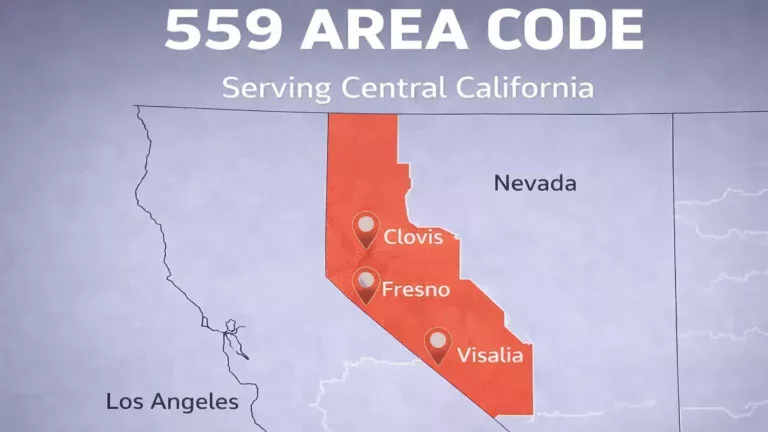
Understanding which area codes border 661 helps clarify the telecommunications landscape of southern and central California. The 559 area code covers Fresno and Madera counties to the north, the 805 area code serves San Luis Obispo, Santa Barbara, and Ventura counties to the west, and the 323 area code covers portions of Los Angeles County to the south.
Frequently Asked Question(FAQs)
Conclusion
The 661 california area code was introduced to keep up with the fast growth of communities in California. As cities like Bakersfield, Lancaster, and Palmdale expanded, the demand for phone numbers increased. By splitting from the 805 code, the area code helped ensure that residents and businesses could remain connected.